Posted by Christine Woods
Filed in Family & Home 38 views
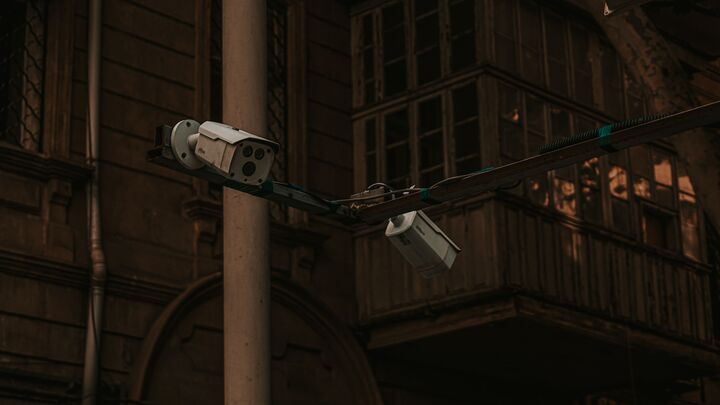
According to the latest construction industry safety statistics, almost 70% of construction sites are subjected to theft, vandalism, or unauthorized entry during the construction period.
Securing a construction site using CCTV cameras should involve a multi-layered system of surveillance planning, high-definition camera deployment, perimeter monitoring, and a well-defined plan of action for incidents in growing construction areas.
If the CCTV strategy is not implemented correctly, construction managers may lose materials, experience delays in construction works, and have insufficient legal evidence in the case of disputes.
This involves the risk mapping process, technical camera setup, coverage design, and ongoing adjustments to the coverage. This framework details full implementation, standards, and security practices in real-world construction environments.
To secure a construction site, you need to take several steps to ensure that you get a CCTV system that will work for you.
Begin with a study of areas that are susceptible to theft and unsafe. Pay attention to areas for materials storage, fuel storage, and machinery. The highest number of security incidents occurs in these areas.
Label all gates, temporary openings, and delivery roads. Typically, unauthorised access is made via weak access points. It is imperative that these are always under surveillance.
Make sure the angles for the two cameras overlap. There should be two different fields of view that each camera has. Blind spots are significant security gaps that open the door to potential breaches.
Outline responsibilities for live monitoring and review of the recording. Outline who to contact when it comes to alert and suspicious activity. This will enhance the reaction time in incidents.
Construction sites are ever-changing environments in both size and shape. The position of the camera should be adjusted as per the progress of the project. This is because it ensures there is always full visibility.
The first step to security is to divide the premises into zones. Storage, fuel, and equipment areas are all considered high-risk areas. Medium-risk areas include pathways and worker areas.
The early stages need monitoring of the perimeter. Interior coverage of the structure is needed during later phases. Security planning needs to be dynamic, as projects develop.
Structured layouts are often used during the planning stage of security system projects to understand camera placement, coverage zones, monitoring requirements, equipment quantities, installation needs, and overall project costs before deployment. In projects related to video surveillance kansas city, these layouts help property owners and installers evaluate blind spots, determine recording and monitoring requirements, estimate material and labor costs, and create an effective coverage plan that aligns with the security needs of residential, commercial, industrial, or public facilities.
1080p HD: small sites: low risk
A resolution of 2K is considered to be a medium site and a medium risk.
If you're looking for large or high-value projects, then you should look for a 4K resolution.
There is an improvement in facial and license plate recognition as the resolution is increased.
The theft of construction materials is most likely to take place at night. The infra-red range should not be less than 30m. The sites with advanced characteristics can have 60- 100 m visibility. Low-light sensor enhances clarity in low-light conditions.
Field of View (FOV) And Lens Selection
Widely angled lenses (90° – 130° have a smaller field of view. The narrow lenses are used for gates and entrances. A good angle will enhance the quality of evidence.
Wired vs Wireless Deployments
Stable long-term performance
Less signal interference
Able to fit large projects
Faster installation
Flexible repositioning
May experience some signal interference in areas with metal structures.May experience some signal interference from metal objects.
Real Construction Site Security Scenarios Using CCTV Cameras
Theft is usually a problem when construction is not taking place or on weekends for active projects. Theft of copper wiring is common in electrical installations. Perimeter fencing is ineffective when there are gaps in the fence. Using Trusted CCTV Camera Installation Kansas City can significantly improve site security by monitoring vulnerable access points.
For instance, at a mid-phase building site, unauthorized access could occur through gaps in the temporary fencing. CCTV footage is useful in identifying entry points and aids in the process of insurance claims and/or legal investigations. This leaves surveillance as both a preventative measure and valuable proof.
Set up cameras around the site perimeter before setting up site cameras. This identifies proactively attempts that may occur early in the process of intrusion. Priority areas are Gates and fencing edges.
Once set up, concentrate on internal activity areas (perimeter setup is complete). Supervise materials and in-use construction areas. This will allow operational safety visibility.
It is necessary to keep a close watch on storage facilities for equipment and fuel. These are the areas in which there is the greatest risk of theft. Special dedicated cameras are used to provide better asset protection.
Make sure that trained staff is on hand to monitor that the information is correct in real time. Continuous monitoring speeds up detection. It helps to minimise delayed reaction to incidents.
Any unusual or suspicious activity will be documented. Video tapes should be kept for investigating purposes. Storage aids the legal and insurance procedures.
Detect unusual activity
Verify camera feed
Alert security personnel
Lock down the affected area
Document the event
The clarity of the image is decreased over time due to dust. For clear footage, there is a need to maintain it regularly. The location of the camera should be outside of direct exposure areas.
The system is susceptible to rain, heat, and wind. Camera protection housing enhances the durability of the camera. The longer the system lives, the better the environment's planning.
Different lighting requirements throughout the various stages of a project. When working at night, you need greater infrared performance. If it's calibrated properly, it will provide a consistent level of visibility.
If uncovered areas are exposed, they can pose significant security risks. Theft is usually not detected due to blind spots. This can be avoided by having proper overlaps.
Construction sites are an ever-changing environment. The greater the number of fixed camera positions, the less effective they will be. An update is required regularly.
Unless reviewed, recordings are not of great security. The threats are better detected through regular audits. This increases protection in the long-term.
Compliance and Operational Accountability in CCTV Surveillance
Any and all surveillance should be recorded. Records will benefit during an audit and dispute. This helps to increase levels of accountability between teams.
The workers should be aware of the presence of surveillance. This will decrease the chances of making the actions unsafe or unauthorized. Communication is important for compliance.
The performance is guaranteed by regular checks of the system. Loopholes are discovered in the coverage through audits. This will enhance the reliability of the system in the long run.
Conclusion
It's not just about installing cameras on site; it's about setting up a well-planned, precise, and monitored CCTV installation that will ensure the safety of a construction site at all times.
A robust surveillance system curtails theft, increases accountability, and aids in the collection of evidence in the event of theft occurring. Construction sites are particularly dynamic, and knowing how to keep it safe, protected, and progressing smoothly with CCTV cameras is essential for construction teams.
FAQs
Perimeter fences, entry points, and storage areas are the most important areas to be addressed with cameras. Avoiding blind spots by overlapping angles. Zones of high risk are always a high priority for coverage.