POV Cameras vs Action Cameras: What’s the Difference?
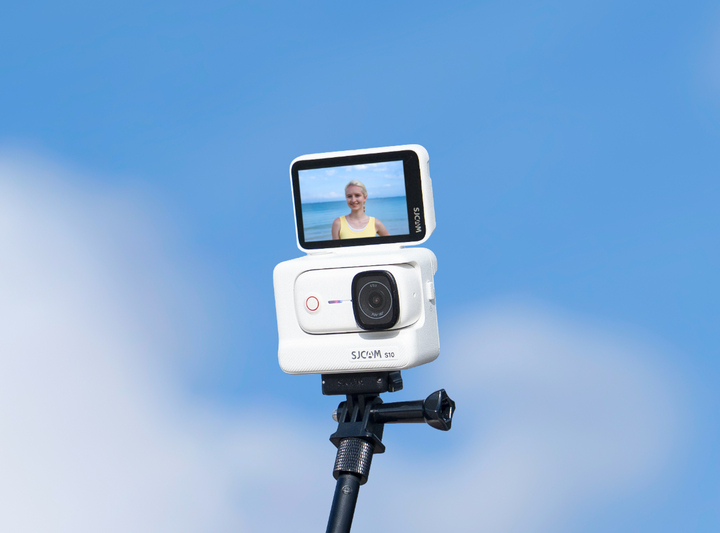
In the fast-paced world of digital recording, two terms often spark curiosity among outdoor adventure seekers, content creators, and casual explorers alike: POV cameras and action cameras. These portable devices have revolutionized the way we document our experiences, offering innovative tools that capture moments from every conceivable angle. Yet, despite their similarities in form and function, there are distinctive differences between the two that can significantly impact your shooting experience.
If you’re planning to invest in a camera for your next adventure, it’s crucial to understand what sets a POV camera apart from a typical action camera—so you can choose the best gear for your needs. In this article, we’ll dissect the definitions, explore their core features and use cases, compare them side by side, and recommend an outstanding device for all adventurers: the SJCAM S10 action camera.
Understanding the Basics: What Is a POV Camera?
A POV camera (point-of-view camera) is specifically designed to capture footage from the perspective of the user. The hallmark of POV cameras lies in their ability to record events through the eyes of the adventurer, giving viewers a first-person experience that’s immersive and authentic. These cameras are often compact, lightweight, and built for hands-free operation. They’re typically attached to helmets, glasses, chest harnesses, or other wearable mounts, allowing you to move freely while capturing every detail of your journey.
With the rise of vlogging, action sports, and social media storytelling, POV cameras have become a favorite for those who want to share their real-time adventures and convey stories from a unique perspective.
What Is an Action Camera?
An action camera, on the other hand, is a broader category of compact cameras purpose-built for rugged outdoor recording. They are designed to withstand harsh environments—being waterproof, shockproof, and dustproof—and can be mounted in hundreds of creative ways, from helmets to surfboards to drones. Action cameras are renowned for their versatility, portability, and durable construction, making them essential companions for sports, travel, and every adventure in between.
Most action cameras offer various modes, including wide-angle views, ultra-high-definition (sometimes up to 8K), slow motion, time-lapse, and integrated Wi-Fi or Bluetooth for easy sharing and remote control.
POV Camera vs Action Camera: The Main Differences
1. Primary Purpose and Use Case
POV Camera:
The core design and functionality are centered on capturing the user’s exact perspective. The video gives viewers the sensation of seeing and experiencing your activity firsthand—whether you’re mountain biking down a treacherous descent, rock climbing, or skiing.
Best for: Those who want to immerse their audience in a first-person experience, such as vloggers, athletes, and filmmakers seeking authentic perspective.
Action Camera:
Offers greater flexibility. These cameras focus on high-quality video and stills from a variety of creative angles—first-person, third-person, drone, or mounted on equipment.
Best for: Users needing a multipurpose camera that can be easily repositioned for any scenario, whether it’s mounted on a car dashboard, a selfie stick, or a helmet.
2. Mounting Style
POV Camera:
Typically designed for wearability and minimal intrusion. They’re mounted on the head, chest, goggles, or even integrated into helmets or sunglasses.
The focus is on stability and maintaining the shooter’s field of view at all times.
Action Camera:
Offers an array of mounting options. You can strap it to your body, stick it to a vehicle, affix it to a bike, or set it up as a stationary camera.
Some action cameras work perfectly as POV cameras when used with the right mounts, but not all action cameras are optimized for this role.
3. Design and Build
POV Camera:
Compact, light, and ergonomically shaped to minimize distraction and weight during intense activity. Some are tailored to be extremely low profile for unimpeded movement.
Battery and controls are optimized for hands-free or one-touch operation.
Action Camera:
Slightly bulkier (though still pocket-sized) to accommodate additional features such as larger batteries, screens, and more comprehensive controls.
Might include touchscreens, dual displays, removable lens covers, etc.
4. Features and Customization
POV Camera:
Prioritize stabilization and ease of operation while in motion.
Less emphasis on multiple camera modes (compared to an action camera).
Some may lack screens, relying instead on app-based control or one-button operation.
Action Camera:
Feature-rich, with multiple video resolutions, frame rates, shooting modes (slow-mo, time-lapse, burst photos), and advanced connectivity options.
On-device screens enable live preview, playback, and camera setting adjustment.
5. Video Quality and Field of View
POV Camera:
Offers wide-angle lenses to mimic peripheral vision, but the focus is on replicating exactly what the wearer sees.
Video quality is generally high but may not reach the cinematic extremes of specialized action cameras with advanced manual controls.
Action Camera:
Often feature even wider lenses for capturing as much of the scene as possible. The video quality can be customized—from Full HD to 4K or higher depending on the model.
Can shoot both in wide shots and zoom/linear modes for added versatility.
6. Battery Life and Storage
POV Camera:
Designed for endurance, with simplified operation to maximize battery life when recording extended activities.
Action Camera:
Larger batteries for longer recording times, especially at high resolutions.
Allows for swappable batteries or external power for prolonged sessions.
7. Price Point
POV Camera:
Prices vary, but they can be more affordable due to minimal screens or extra features.
Action Camera:
Varies dramatically based on features. Premium models can be pricey, but budget-friendly options exist.
Can an Action Camera Double as a POV Camera?
The distinction between POV cameras and action cameras is increasingly blurred, as many modern action cameras are designed to serve both purposes with the right mounting accessories. However, true POV cameras are optimized specifically for user-worn, unobtrusive recording, favoring simplicity, comfort, and a pure first-person viewpoint.
If your primary goal is to record a hands-free, true-to-life perspective for intense activities, a dedicated POV camera is ideal. If you want flexibility for various mounting styles and creative content, a feature-rich action camera might serve you better. That said, several action cameras excel in POV functionality when paired with suitable mounts—offering the best of both worlds.
When to Choose a POV Camera
Your focus is on first-person immersive footage.
You engage in high-movement activities where minimal equipment is crucial.
You prefer gear that’s barely noticeable or integrated with your outfit.
You value simplicity: press a button and start recording.
When to Choose an Action Camera
You need one camera to do it all: POV, wide scenic shots, time lapses, slow-motion, and more.
You want the ability to preview and adjust footage on-the-fly via a built-in screen.
You require robust connectivity, such as Wi-Fi direct transfer, remote control, and app-based editing.
You seek maximum versatility in mounting and creative shooting.
SJCAM S10 Action Camera: The One Device for Every Adventure
Whether you lean toward a dedicated POV camera or want an all-in-one action solution, the SJCAM S10 action camera stands as a formidable choice. The SJCAM S10 fuses the best aspects of both categories, offering outstanding versatility for POV filming and so much more.
Key Features of SJCAM S10:
First-Person, POV-Ready: Lightweight and compatible with a wide range of wearable mounts, the S10 makes hands-free recording effortless and natural.
4K Ultra-HD Video: Capture every adventure in breathtaking detail, with support for high frame rates for smooth playback.
Rugged and Waterproof: Engineered to resist water, dust, and shock, it keeps recording whether you’re mountain biking, surfing, or hiking in the rain.
Wide Angle Lens: A 170° field of view replicates the way you see, making your POV shots immersive and authentic.
Excellent Battery Life: Keeps up with your long adventures and fast recharges during breaks.
Easy-to-Use Controls and App: Intuitive menus simplify operation, with seamless mobile connectivity for editing and sharing.
Feature-Rich: Time-lapse, slow motion, burst mode, and more for maximum creative freedom.
Affordable: Delivers professional-grade results without the premium price tag.
With the SJCAM S10, you’re not limited to one shooting style. Record your next rock climb with a chest mount for true POV perspective, or set it up on your kayak for stunning wide-angle footage of your scenic journey. The possibilities are endless.
Conclusion
The world of portable cameras is vast and evolving, but understanding the nuances between POV cameras and action cameras is vital for outdoor enthusiasts, athletes, and content creators. While POV cameras specialize in immersive, first-person storytelling, action cameras offer broader versatility for creative exploration.
The SJCAM S10 action camera bridges the gap, excelling as a high-quality POV camera and simultaneously offering the flexibility, features, and durability that define the best action cameras on the market. If you’re searching for a camera that can handle every adventure—while delivering jaw-dropping footage and reliability—look no further than the SJCAM S10. Equip yourself with this powerful device and start capturing the world literally as you see it.