Posted by John Daniel
Filed in Business 10 views
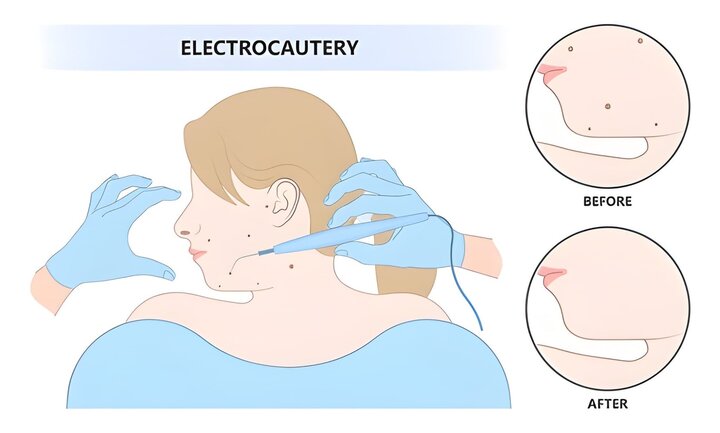
Many people discover a small, soft growth on their skin and wonder whether it is something they should be concerned about. In many cases, these growths are skin tags, a common skin condition that affects adults of different ages. Although they are generally harmless, they can become bothersome depending on their size and location.
Patients visiting a Harley Street dermatology clinic in London often seek advice about skin tags because they want clearer skin, greater comfort, or reassurance about a new growth. Understanding why skin tags appear and knowing when to seek professional care can help you make confident decisions about your skin health.
A skin tag is a small piece of tissue that extends from the surface of the skin. These growths are usually soft to the touch and may be attached by a narrow stalk. They can develop gradually and often go unnoticed until they become more visible or start irritating.
While skin tags are not dangerous, they can appear in areas where they are difficult to ignore. Some people have only one skin tag, while others may develop several over time.
Skin tags do not form because of poor hygiene or a skin infection. Instead, they are commonly linked to natural processes within the body and certain lifestyle factors.
One of the most widely recognised causes of skin tags is friction. When two areas of skin regularly rub together, small growths can develop over time. This is why skin tags frequently appear in body folds and areas that experience constant movement.
The likelihood of developing harmless skin growths often increases as the body and skin naturally mature over time. Skin tags are often seen in middle-aged and older adults, although younger individuals can develop them as well.
Some people seem naturally more prone to developing skin tags. If family members frequently experience them, there may be a greater likelihood of seeing similar growths appear.
Changes in hormone levels can affect the skin in different ways. During periods of hormonal fluctuation, some individuals notice an increase in the number of skin tags.
Additional body weight can increase skin folds and areas of friction. This may create conditions where skin tags are more likely to develop.
Skin tags can appear almost anywhere, but certain parts of the body are affected more frequently than others.
Common locations include:
Most skin tags do not require urgent treatment. However, there are situations where seeking professional advice can be beneficial.
You may wish to consider an assessment if:
A professional evaluation can provide reassurance and determine the most suitable course of action.
Although skin tags are medically harmless in most cases, their emotional impact should not be overlooked. A visible skin tag on the face, neck, or eyelid can sometimes make individuals feel uncomfortable about their appearance.
People often become more aware of a skin tag during conversations, photographs, or social gatherings. As a result, many choose to explore treatment options not because of physical symptoms, but because they want to feel more comfortable in their own skin.
There are several methods available for managing skin tags. The most appropriate option depends on factors such as the size of the growth, its location, and the individual's skin type.
Professional assessment plays an important role because not every skin growth is a skin tag. Accurate diagnosis ensures that the correct approach is selected and that unnecessary risks are avoided.
For individuals considering Skin Tag Removal Treatment in London, professional care provides access to safe and effective solutions tailored to the specific characteristics of the growth.
Professional management offers advantages that go beyond simply removing visible growth.
These benefits may include:
Many people search online for ways to remove skin tags themselves. While home remedies may appear convenient, they can create unnecessary risks.
Potential concerns include:
Seeking professional advice helps avoid these issues and supports better outcomes.
There is no guaranteed way to prevent every skin tag from developing. However, certain habits may help reduce factors that contribute to their formation.
Helpful steps include:
While prevention is not always possible, early awareness can make skin concerns easier to manage.
In most cases, skin tags are harmless growths and do not pose a serious health risk.
Skin tags usually remain unless they are removed. They may stay the same size or gradually become larger.
Yes. Although they are more common in adults, skin tags can develop in individuals of different ages.
Not always. Many people choose treatment for skin tags because of irritation, cosmetic concerns, or personal comfort.
The same skin tag typically does not grow back after removal. Even after removal, additional skin tags can sometimes appear on different parts of the body in the future.
Skin tags are a common skin concern that can develop due to factors such as friction, ageing, genetics, and hormonal influences. While they are generally harmless, they can become inconvenient or affect confidence when located in visible or high-friction areas.
When a skin tag affects your comfort or confidence, consulting a specialist can provide clarity on the most suitable treatment approach. Seeking expert advice ensures that any growth is properly evaluated and managed in a safe and effective manner, allowing you to feel more confident about your skin.