
Posted by Rani Jaibros
Filed in Business 5 views
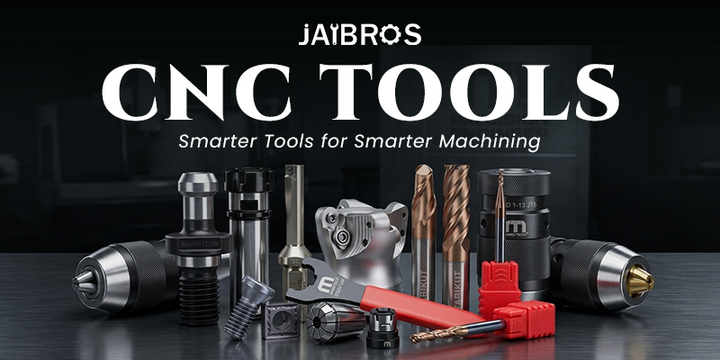
Learn CNC tool coatings like TiN, TiAlN, DLC, AlTiN, and CrN. Discover their benefits, applications, and how to choose the right coating for machining.
In modern manufacturing, choosing the right CNC tool is only part of achieving precision machining. The coating applied to the cutting tool plays an equally important role in determining performance, durability, cutting speed, and surface finish. Whether you're machining steel, aluminum, titanium, or hardened alloys, the right coating can significantly improve productivity while reducing tool wear.
Many machinists focus on tool material, but coatings often make the biggest difference in extending tool life and reducing production costs. Different coatings are engineered for specific materials and machining conditions, making it essential to understand how each one works.
Every CNC tool experiences friction, heat, pressure, and continuous contact with the workpiece. Without a protective coating, cutting edges wear quickly, reducing accuracy and increasing machining costs.
Tool coatings provide several benefits:
Increase wear resistance
Reduce friction
Improve heat resistance
Extend tool life
Enhance surface finish
Allow higher cutting speeds
Minimize built-up edge formation
These advantages are especially valuable for manufacturers using industrial CNC tools in high-volume production environments.
A tool coating is a thin layer of advanced material deposited onto the surface of a cutting tool through processes such as Physical Vapor Deposition (PVD) or Chemical Vapor Deposition (CVD).
Although coatings are only a few microns thick, they dramatically improve the cutting performance of CNC machining tools by creating a harder, smoother, and more heat-resistant surface.
The coating works together with the carbide substrate rather than replacing it, allowing manufacturers to get maximum value from high-quality carbide tools.
TiN is one of the oldest and most widely used coatings in machining.
Gold-colored finish
Excellent wear resistance
Lower friction
Good general-purpose performance
Affordable option
Mild steel
Cast iron
Copper
Brass
Plastic
TiN-coated tools are ideal for general machining where cutting temperatures remain moderate. They are commonly found in entry-level and mid-range CNC milling tools used across multiple industries.
TiAlN is among the most popular coatings for modern high-speed machining.
Unlike TiN, TiAlN forms a protective aluminum oxide layer at high temperatures, shielding the cutting edge from excessive heat.
Outstanding heat resistance
Longer tool life
Higher cutting speeds
Excellent oxidation resistance
Stainless steel
Alloy steel
Titanium
Hardened materials
Manufacturers performing aggressive machining often select this coating for every CNC tool used in demanding production environments.
DLC coatings are designed primarily for non-ferrous materials.
They offer an extremely smooth surface with very low friction, preventing aluminum and soft metals from sticking to the cutting edge.
Ultra-low friction
Excellent surface finish
Reduced material adhesion
Longer life in aluminum machining
Aluminum
Copper
Brass
Graphite
Composite materials
Plastics
DLC is generally not recommended for steel because of chemical interactions that reduce coating performance.
AlTiN provides even greater heat resistance than TiAlN, making it suitable for heavy-duty machining.
Performs at very high temperatures
Excellent hardness
Increased wear resistance
Longer life in dry machining
Hardened steel
Tool steel
Nickel alloys
Aerospace materials
This coating is widely used in high-performance CNC cutting tools operating under extreme machining conditions.
TiCN combines the properties of titanium nitride with carbon, increasing hardness and abrasion resistance.
Higher hardness than TiN
Better wear resistance
Improved cutting performance
Suitable for abrasive materials
Cast iron
Aluminum alloys
Bronze
Non-ferrous metals
TiCN performs well in applications where abrasion is the primary concern rather than heat.
CrN coatings are known for their corrosion resistance and smooth cutting performance.
Excellent corrosion resistance
Low friction
Prevents material sticking
Good surface quality
Aluminum
Copper alloys
Titanium
Stainless steel
These coatings are frequently chosen when clean machining and excellent finishes are required.
Selecting the proper coating depends on several machining factors.
Different coatings perform better with different materials.
Steel → TiAlN or AlTiN
Aluminum → DLC or CrN
Stainless Steel → TiAlN
Hardened Steel → AlTiN
Plastics → DLC
Higher machining speeds generate more heat, making heat-resistant coatings essential.
Some coatings perform exceptionally well during dry machining, while others benefit from coolant-assisted cutting.
High-volume manufacturing usually justifies premium coatings because of the significant reduction in tool replacement costs.
|
Feature |
Coated Tools |
Uncoated Tools |
|
Tool Life |
Longer |
Shorter |
|
Heat Resistance |
High |
Low |
|
Wear Resistance |
Excellent |
Moderate |
|
Surface Finish |
Better |
Average |
|
Cutting Speed |
Faster |
Slower |
|
Overall Cost |
Higher initially |
Lower initially |
Although coated tools cost more upfront, they usually reduce total machining costs over time.
Today, manufacturers have many purchasing options, from local distributors to online suppliers.
Many buyers search for CNC tools India because the country has become a leading supplier of high-quality cutting solutions at competitive prices.
Others prefer searching for CNC tools near me when immediate availability and technical support are priorities.
Businesses looking for convenience increasingly purchase CNC tools online, where they can compare specifications, coatings, and pricing before placing an order.
Whether purchasing locally or online, always choose suppliers known for providing the best CNC tools with consistent quality and technical support.
Proper maintenance helps maximize coating performance.
Store tools in protective cases.
Avoid impacts that chip cutting edges.
Use recommended cutting parameters.
Replace worn tools before coating failure.
Match coating type to workpiece material.
Keep holders and collets clean.
Use proper coolant when recommended.
These simple practices significantly increase the lifespan of coated tools.
Selecting the right CNC tool coating is just as important as selecting the right tool geometry. TiN remains an excellent choice for general machining, while TiAlN and AlTiN dominate high-speed and high-temperature applications. DLC provides outstanding performance for aluminum and non-ferrous materials, and specialty coatings like TiCN and CrN offer advantages for specific machining requirements.
Understanding coating technology allows manufacturers to improve productivity, reduce downtime, and achieve better machining results while extending tool life.
If you're looking for reliable cutting solutions, Jaibros offers a comprehensive range of precision-engineered tooling products, including carbide inserts, holders, drills, end mills, and other machining accessories. With a strong focus on quality, performance, and customer satisfaction, Jaibros helps manufacturers choose the right tooling solutions for a wide variety of machining applications, making it a trusted partner for modern CNC operations.
Titanium Aluminum Nitride (TiAlN) is one of the most widely used coatings because it offers excellent heat resistance, wear protection, and long tool life.
DLC (Diamond-Like Carbon) is considered one of the best coatings for aluminum because it reduces friction and prevents material from sticking to the cutting edge.
Yes. Coated carbide tools generally last longer, perform at higher cutting speeds, and reduce overall machining costs despite their higher initial price.
No. Different coatings are designed for different materials and cutting conditions, so choosing the right coating improves both tool life and machining quality.
You can purchase high-quality CNC machining tools from trusted industrial tooling suppliers, authorized distributors, or reputable online platforms that specialize in precision manufacturing equipment.