Posted by AL Zerwa Trading LLC
Filed in Business 12 views
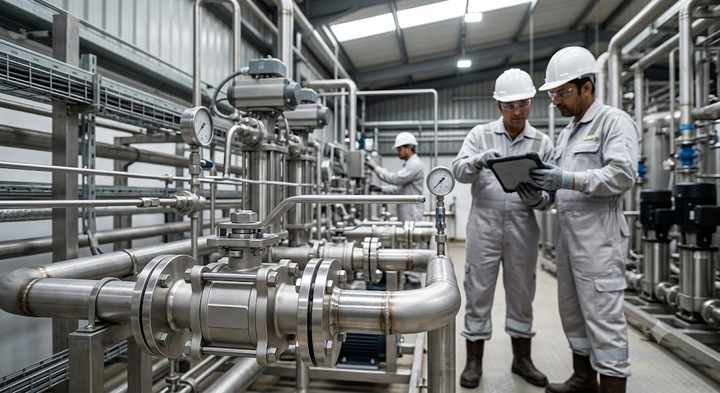
Walk through any modern industrial facility in the UAE, and you'll find an extensive network of pipelines carrying water, steam, chemicals, gases, or petroleum products. Hidden within these systems are components that quietly keep operations running safely and efficiently. One of the most trusted among them is the stainless steel ball valve.
Although it may seem like a simple flow-control device, the material and construction of a ball valve have a direct impact on system reliability, maintenance costs, and operational efficiency. Stainless steel has become the preferred material for many industries because it combines strength, corrosion resistance, and long-term durability in demanding environments.
Let's explore why stainless steel ball valves continue to be the first choice for industrial applications.
Industrial facilities rarely operate under ideal conditions. Valves are often exposed to high pressures, fluctuating temperatures, corrosive chemicals, abrasive fluids, and continuous operation.
Stainless steel performs exceptionally well under these demanding circumstances.
Its natural resistance to corrosion protects internal components from rust, oxidation, and chemical attack, helping the valve maintain reliable performance over many years.
This durability makes stainless steel an excellent choice for industries where downtime can be costly.
One of the biggest advantages of a stainless steel ball valve is its ability to withstand corrosive environments.
Whether handling seawater, industrial chemicals, treated water, compressed air, or food-grade liquids, stainless steel maintains its structural integrity far better than many conventional materials.
Industries that particularly benefit include:
Oil and gas
Chemical processing
Water treatment
Food and beverage manufacturing
Pharmaceutical production
Marine applications
Selecting corrosion-resistant materials helps reduce maintenance while extending equipment life.
Ball valves are known for their quarter-turn operation, allowing operators to open or close flow quickly with minimal effort.
The polished stainless steel ball creates a tight seal against the valve seats, providing dependable shut-off performance even under demanding operating conditions.
Benefits include:
Minimal leakage
Smooth operation
Fast flow control
Reduced pressure loss
Consistent sealing performance
This reliability contributes to safer and more efficient industrial processes.
Although stainless steel valves often require a higher initial investment than some alternative materials, they typically deliver greater value throughout their operating life.
Their resistance to corrosion, wear, and mechanical stress means fewer repairs and replacements.
Long-term advantages include:
Lower maintenance expenses
Reduced downtime
Longer replacement intervals
Improved equipment reliability
Lower total cost of ownership
For facilities operating continuously, these savings quickly outweigh the initial purchase price.
Many industrial systems operate under significant pressure, requiring valves capable of maintaining structural integrity without compromising safety.
High-quality stainless steel ball valves are engineered to withstand demanding pressure ratings while maintaining dependable sealing performance.
This makes them suitable for applications involving:
Steam systems
Hydraulic systems
Process pipelines
Gas distribution
Industrial water networks
Choosing the correct pressure-rated valve improves both operational safety and system reliability.
Stainless steel is widely recognised for its hygienic qualities.
Its smooth surface resists contamination and is easy to clean, making it particularly valuable in industries with strict cleanliness requirements.
Food processing plants, pharmaceutical facilities, and beverage manufacturers often choose stainless steel valves because they support sanitary operations while resisting corrosion caused by regular cleaning procedures.
Industrial maintenance teams appreciate equipment that is simple to inspect and service.
Most stainless steel ball valve designs feature straightforward construction with fewer moving parts than many alternative valve types.
This simplifies maintenance while reducing the likelihood of mechanical failure.
Routine inspection, cleaning, and seal replacement can often be completed quickly, minimising production interruptions.
Not all stainless steel valves deliver the same level of performance.
Reliable manufacturers use precision machining, high-quality sealing materials, rigorous pressure testing, and strict quality control throughout production.
When selecting a valve, engineers should consider:
Material grade
Pressure rating
Temperature range
Connection type
Fluid compatibility
Industry certifications
Working with an experienced supplier helps ensure the valve matches the application's specific operating conditions.
Choosing the right valve can have a lasting impact on industrial performance, maintenance costs, and operational reliability. A high-quality stainless steel ball valve offers the durability, corrosion resistance, and dependable sealing needed to keep modern industrial systems operating efficiently.
Whether you're designing a new process plant or upgrading an existing pipeline, investing in premium stainless steel ball valves is a practical decision that delivers long-term value. Partner with a trusted supplier to find reliable valve solutions tailored to your industry's performance, safety, and operational requirements.
They provide excellent corrosion resistance, reliable sealing, long service life, and high mechanical strength, making them suitable for demanding industrial environments.
They are widely used in oil and gas, chemical processing, water treatment, pharmaceuticals, food manufacturing, marine systems, HVAC, and general industrial processing.
No. Their durable construction and corrosion-resistant properties reduce maintenance requirements, although regular inspection and preventive servicing are still recommended.