Posted by andrew barn
Filed in Health 13 views
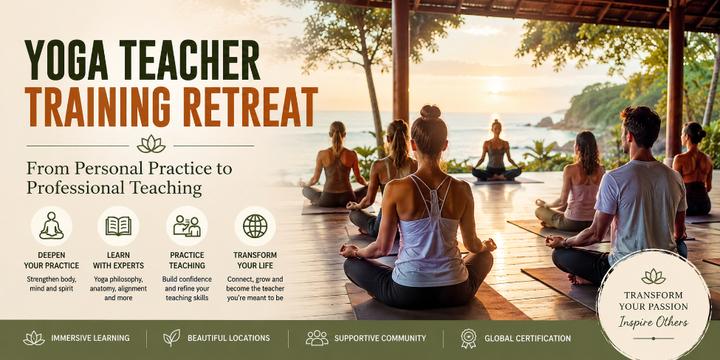
For many people, yoga begins as a personal journey. It may start with a desire to improve flexibility, reduce stress, increase physical strength, or create a healthier lifestyle. Over time, what begins as a simple fitness practice often evolves into something much deeper. Yoga becomes a way of life, influencing how individuals think, move, breathe, and connect with the world around them. As this connection grows stronger, many practitioners feel inspired to share their knowledge and passion with others. This is where a yoga teacher training retreat becomes a transformative step.
A yoga teacher training retreat offers much more than a certification program. It is an immersive experience that combines intensive learning, personal development, spiritual exploration, and practical teaching skills. Unlike traditional classroom-based courses, retreats provide an environment where students can fully focus on yoga without the distractions of daily life. Surrounded by like-minded individuals and guided by experienced instructors, participants gain the knowledge, confidence, and experience needed to transition from dedicated practitioners to capable yoga teachers.
Whether someone dreams of teaching professionally, deepening their understanding of yoga philosophy, or enhancing their personal practice, a yoga teacher training retreat provides a unique opportunity for growth. This comprehensive guide explores every aspect of the experience, from the benefits and curriculum to choosing the right retreat and preparing for success.
A yoga teacher training retreat is an intensive educational program designed to prepare students for teaching yoga while simultaneously deepening their personal practice. These retreats typically take place in peaceful environments such as beachfront resorts, mountain sanctuaries, tropical destinations, or wellness centers where participants can focus entirely on their learning journey.
The retreat format combines practical training with immersive experiences. Students spend their days practicing yoga, studying anatomy, learning teaching methodologies, exploring yoga philosophy, and participating in meditation sessions. The goal is to create a comprehensive understanding of yoga that extends beyond physical postures.
Traditional learning environments often involve balancing coursework with work, family responsibilities, and daily obligations. In contrast, a yoga teacher training retreat removes many of these distractions, allowing participants to dedicate themselves fully to learning.
The immersive nature of retreats accelerates personal growth and skill development. By living and practicing alongside fellow students, participants create meaningful connections and experience yoga as a complete lifestyle rather than a scheduled activity.
One of the greatest advantages of a yoga teacher training retreat is the opportunity to strengthen your own practice. Daily yoga sessions allow students to explore postures, breathing techniques, alignment principles, and meditation practices in far greater depth than regular classes typically provide.
This deeper understanding often leads to significant improvements in strength, flexibility, balance, mindfulness, and self-awareness.
Many aspiring instructors initially feel nervous about leading a class. A yoga teacher training retreat addresses this challenge by providing numerous opportunities for practice teaching.
Students gradually learn how to communicate instructions clearly, demonstrate poses effectively, and manage classroom dynamics. Repeated teaching experiences help build confidence and competence.
Yoga teaching requires more than physical ability. Instructors must understand anatomy, philosophy, sequencing, safety principles, and student needs.
A quality retreat provides comprehensive education that equips future teachers with the skills necessary to guide students responsibly and effectively.
Yoga is rooted in ancient traditions that extend far beyond physical exercise. Most training programs include extensive study of yogic philosophy, helping students understand the principles that form the foundation of the practice.
Topics often include:
Students explore ethical guidelines, meditation practices, and spiritual principles that support a balanced and meaningful life.
Many programs introduce foundational teachings from classical yoga literature, providing valuable context for modern practice.
Understanding the human body is essential for safe and effective teaching.
Students learn how muscles, joints, bones, and connective tissues function during movement. This knowledge helps instructors prevent injuries and offer appropriate modifications.
Teaching methodology forms the practical core of most training programs.
Participants learn how to:
Effective sequencing creates balanced, engaging, and purposeful yoga sessions.
Clear communication helps students understand movement patterns and maintain proper alignment.
Safe and respectful adjustments can enhance the learning experience and improve posture execution.
Before selecting a retreat, it is important to define your objectives.
Some individuals join a yoga teacher training retreat to become professional instructors, while others seek personal growth and deeper self-understanding. Clarifying your goals helps narrow the available options.
Different retreats focus on different yoga traditions.
Popular styles include:
A slower-paced approach emphasizing foundational postures and alignment.
A dynamic style that links movement with breath.
A structured sequence-based practice focused on discipline and consistency.
Choosing a style that aligns with your interests enhances the overall learning experience.
The quality of instruction significantly influences the value of a training program.
Experienced teachers provide not only technical expertise but also mentorship, inspiration, and guidance throughout the journey.
Most retreats follow structured schedules designed to maximize learning and personal growth.
A typical day may include early morning meditation, yoga practice, lectures, workshops, group discussions, teaching practice, and evening reflection sessions.
Although the schedule can be demanding, participants often find the experience highly rewarding.
One of the most memorable aspects of a yoga teacher training retreat is the sense of community it creates.
Students share meals, experiences, challenges, and successes throughout the program. These connections often develop into lasting friendships and professional networks.
The combination of intensive study, self-reflection, and daily practice frequently leads to profound personal transformation.
Participants often report increased self-confidence, emotional resilience, clarity of purpose, and a stronger connection to their values.
Transitioning from practitioner to instructor involves developing leadership skills.
Teaching requires the ability to guide, motivate, and support students with varying needs and abilities. Retreat programs provide structured opportunities to cultivate these skills through supervised teaching experiences.
Every yoga teacher brings a unique perspective to the classroom.
A successful yoga teacher training retreat encourages students to develop their own teaching style rather than simply imitating others. This authenticity helps create meaningful connections with future students.
Many new teachers struggle with self-doubt and fear of public speaking.
Consistent practice, constructive feedback, and supportive mentorship help students overcome these obstacles and gain confidence in their abilities.
The setting of a yoga teacher training retreat can significantly influence the overall experience.
Natural environments often promote relaxation, focus, and mindfulness. Whether located near the ocean, in the mountains, or surrounded by lush landscapes, retreat settings encourage deeper engagement with both practice and study.
Stepping away from familiar routines allows participants to view themselves and their goals from a fresh perspective.
Many respected retreat organizations, including Yandara, emphasize the importance of immersive environments that support personal exploration, self-discovery, and meaningful learning experiences.
Many graduates begin by teaching at local studios, gyms, wellness centers, and community organizations.
These opportunities provide valuable experience while helping instructors establish their professional presence.
As teachers gain experience, they may expand into specialized workshops, private coaching, or even leading their own retreats.
Digital platforms have created new opportunities for yoga professionals to reach students worldwide.
Online classes, memberships, and virtual coaching services offer flexible ways to build a teaching career.
While affordability is important, the lowest-cost option is not always the best investment.
Quality instruction, comprehensive curriculum, and experienced teachers often provide greater long-term value.
Programs recognized by respected yoga organizations generally offer greater credibility and professional opportunities.
A yoga teacher training retreat requires dedication, discipline, and active participation. Understanding the workload beforehand helps students prepare effectively.
Many programs now combine online coursework with in-person retreats, offering greater flexibility without sacrificing immersive learning.
Teachers increasingly pursue advanced training in areas such as prenatal yoga, therapeutic yoga, trauma-informed yoga, and mindfulness coaching.
Modern retreats frequently incorporate nutrition education, breathwork, meditation, and personal development practices to create a more comprehensive wellness experience.
A yoga teacher training retreat is far more than a certification course. It is an immersive journey that nurtures personal growth, professional development, and a deeper understanding of yoga as a lifelong practice. Through intensive study, meaningful connections, and hands-on teaching experience, participants gain the skills and confidence necessary to move from personal practice to professional teaching.
Whether your goal is to lead classes, deepen your knowledge, or transform your relationship with yoga, the right yoga teacher training retreat can be a life-changing experience. By choosing a high-quality program, embracing the learning process, and remaining committed to growth, you can build a strong foundation for a fulfilling and impactful future in the world of yoga.