Posted by Sarah Mastan
Filed in Business 44 views
The UAE has established itself as one of the Middle East's leading healthcare markets, attracting global manufacturers of medical devices, diagnostic equipment, surgical instruments, and healthcare technology. As investments in hospitals, clinics, laboratories, and digital healthcare continue to grow, manufacturers worldwide are looking to enter this expanding market.
Businesses entering the UAE healthcare market often work with experienced regulatory consultants to simplify compliance. Takween Advisory helps manufacturers and distributors navigate medical device registration, regulatory approvals, and market entry requirements across the UAE.
However, selling medical devices in Dubai or anywhere in the UAE requires compliance with the country's regulatory framework. Over the past few years, the approval process has evolved significantly, with the Emirates Drug Establishment (EDE) becoming the federal authority responsible for medical device regulation. Many businesses still rely on outdated guidance that references the Ministry of Health and Prevention (MOHAP), which can lead to confusion and unnecessary delays.
This guide explains everything you need to know about medical device registration in Dubai in 2026, including the role of EDE, the registration process, required documents, timelines, costs, and practical tips for achieving faster approval.
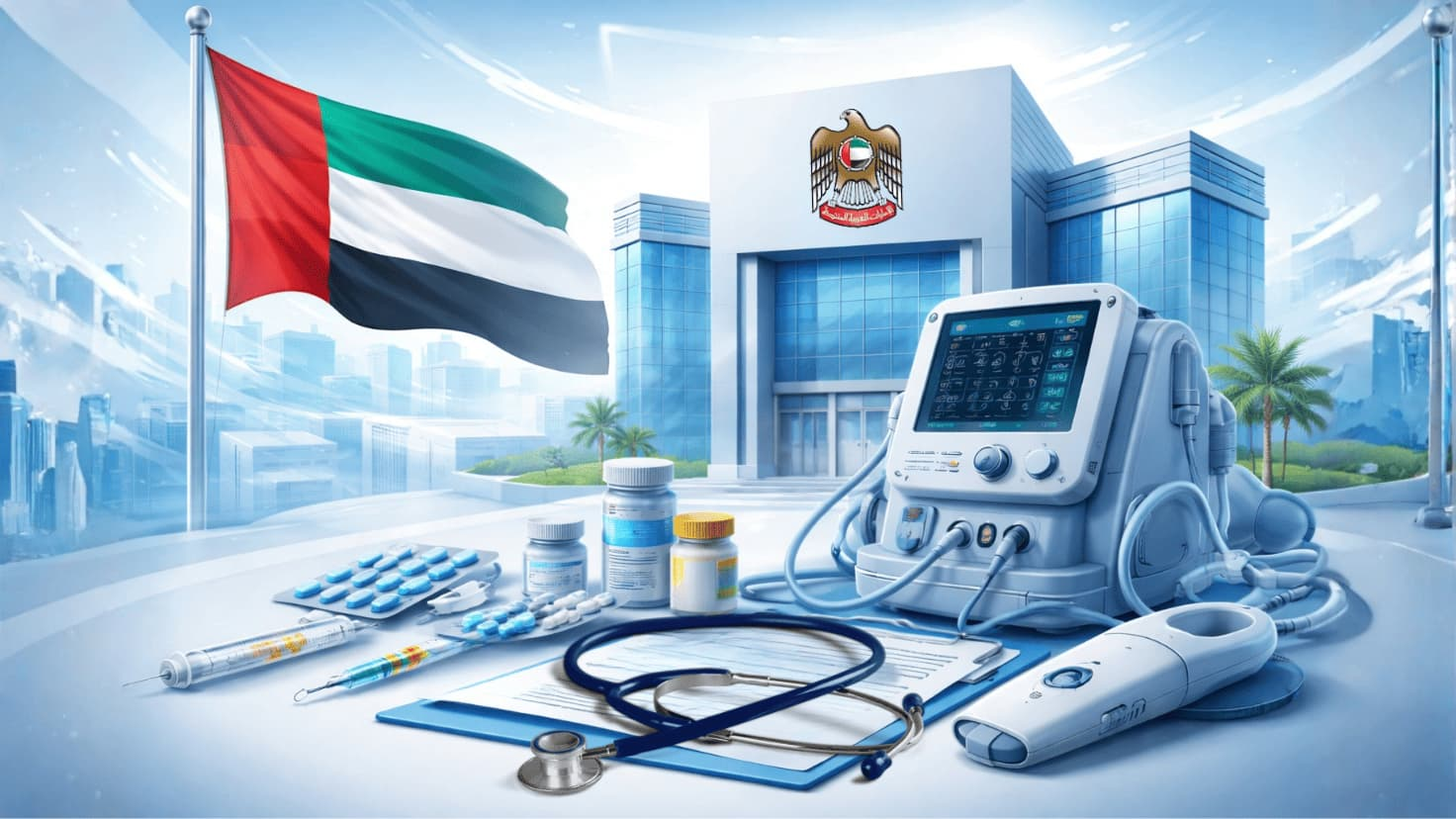
Medical devices cannot be legally imported, distributed, or sold in the UAE without regulatory approval. The country's healthcare system is designed to ensure that every medical device available in the market meets internationally accepted standards for safety, quality, and performance.
Today, the Emirates Drug Establishment (EDE) serves as the federal authority responsible for medical device registration across the UAE. Its responsibilities include product classification, registration, import permits, renewals, and post-market surveillance.
Although MOHAP continues to play an important role in healthcare administration, medical device registration has transitioned to EDE. Businesses that rely on outdated registration procedures may face avoidable delays during the approval process.
Manufacturers targeting hospitals and healthcare facilities in Dubai should also understand the role of the Dubai Health Authority (DHA). While EDE grants federal market authorization, certain healthcare providers or government procurement processes may require additional compliance with DHA regulations. Similarly, companies supplying healthcare facilities in Abu Dhabi may need to comply with requirements established by the Department of Health (DOH).
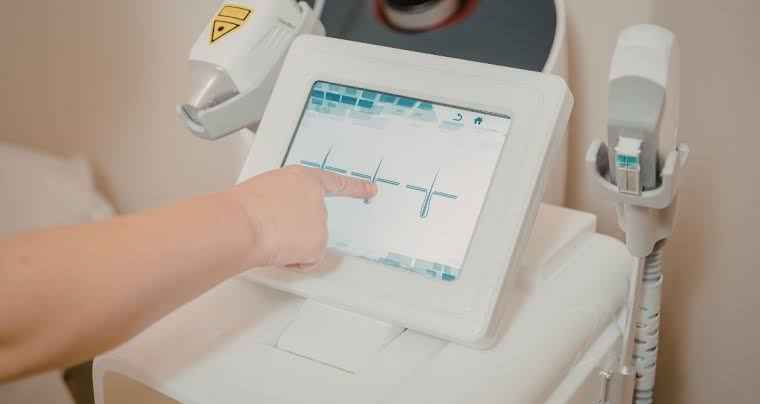
Every medical device submitted for registration must first be classified according to its intended use and level of risk.
The UAE follows a risk-based classification system that generally aligns with international regulatory standards.
The four primary classifications include:
Class I: Low-risk devices such as examination instruments and basic medical accessories.
Class II: Medium-risk products including monitoring equipment and diagnostic devices.
Class III: Higher-risk devices like orthopedic implants and advanced surgical equipment.
Class IV: High-risk implantable or life-supporting medical devices.
In-vitro diagnostic (IVD) products are classified separately using a similar risk-based framework.
Correct classification is critical because it determines the documentation required, review complexity, government fees, and approval timeline. Manufacturers uncertain about their product's classification should seek official guidance before preparing the registration dossier.

Although individual products may have different documentation requirements, the registration process generally follows a structured sequence.
Foreign manufacturers without a registered UAE entity must appoint a Local Authorized Representative (LAR). The representative communicates with regulatory authorities, submits applications, responds to clarification requests, and supports ongoing compliance.
Choosing an experienced representative can significantly reduce approval delays.
Before registering a product, both the manufacturer and the Local Authorized Representative must complete the necessary establishment registration requirements through the official regulatory system.
Incomplete establishment information is one of the most common reasons applications are delayed.
The product's risk category should be confirmed before preparing technical documentation. Incorrect classification often results in additional review cycles and requests for further information.
A complete technical file forms the foundation of every successful application.
Typical documentation includes:
Product description and intended use
Device specifications
ISO 13485 Quality Management System certificate
Certificate of Free Sale or equivalent authorization
CE Marking, FDA Clearance, or other international approvals (where applicable)
Risk management documentation
Clinical evidence for higher-risk devices
Product labeling in Arabic and English
Instructions for Use (IFU)
Higher-risk devices generally require more comprehensive technical evidence.
Applications are submitted electronically through the official regulatory portal together with the required supporting documents and applicable government fees.
Authorities may request additional clarification during the technical review process.
Regulators carefully assess the submitted documentation to verify product safety, performance, manufacturing quality, and regulatory compliance.
If additional information is required, manufacturers or their authorized representatives must respond within the requested timeframe.
Once the review is successfully completed, the medical device receives registration approval, allowing legal importation and commercial distribution within the UAE.
Registration certificates are generally valid for five years, after which renewal is required.
Preparing complete documentation before submission helps reduce approval timelines and minimizes clarification requests.
Most manufacturers will need:
Manufacturer information
Product specifications
Device classification details
ISO 13485 certificate
Certificate of Free Sale
CE or FDA approval documents (if available)
Risk analysis reports
Clinical evaluation documents
Arabic and English product labels
User manuals
Declaration of conformity
Depending on the product category, authorities may request additional testing reports or supporting technical information.
Many registration delays are preventable.
Some of the most common issues include:
Incorrect product classification
Missing technical documentation
Expired quality certificates
Manufacturing site details that do not match submitted certificates
Poor Arabic translations
Incomplete clinical evidence
Missing labeling information
Delayed responses to authority queries
Carefully reviewing documentation before submission can significantly improve approval timelines.
The registration timeline varies depending on product complexity and documentation quality.
For straightforward applications with complete documentation, technical review typically takes around 45 working days.
However, higher-risk products, clarification requests, and additional local compliance requirements may extend the overall timeline.
Manufacturers should also allow time for preparing technical files, obtaining translated documentation, and coordinating with their Local Authorized Representative.
Registration costs depend on several factors, including:
Device classification
Government fees
Number of products being registered
Translation costs
Technical documentation preparation
Local Authorized Representative fees
Regulatory consulting services
Higher-risk medical devices generally require more detailed technical reviews, increasing both preparation costs and regulatory fees.
Businesses should budget beyond government charges to include documentation, compliance, and ongoing regulatory support.
Receiving approval is not the end of the regulatory process.
Manufacturers are expected to maintain ongoing compliance throughout the product lifecycle.
Responsibilities may include:
Reporting adverse events
Monitoring product safety
Updating technical documentation when necessary
Reporting significant product changes
Renewing registration before expiry
Cooperating with post-market surveillance activities
Maintaining compliance helps ensure uninterrupted market access and protects patient safety.
Companies can improve their chances of smooth approval by following a few best practices:
Confirm product classification before preparing documents.
Ensure ISO certificates match the manufacturing site.
Use accurate Arabic translations for labels and instructions.
Submit complete technical documentation.
Respond quickly to authority requests.
Work with experienced regulatory professionals familiar with UAE requirements.
A well-prepared application is far more likely to progress without unnecessary delays.
Medical device registration is managed at the federal level by the Emirates Drug Establishment (EDE). Depending on the target healthcare facilities, additional requirements from DHA or DOH may also apply.
No. Medical device regulatory responsibilities have transitioned to EDE, while MOHAP continues to oversee broader healthcare functions.
Foreign manufacturers generally need a Local Authorized Representative registered in the UAE to manage the application process.
Medical device registration is generally valid for five years, subject to renewal and ongoing regulatory compliance.
No. Although CE certification supports the application, EDE conducts its own technical assessment and may request additional documentation.
The UAE continues to strengthen its position as one of the region's fastest-growing healthcare markets, creating significant opportunities for medical device manufacturers. However, successfully entering this market requires a clear understanding of the country's regulatory framework.
By correctly classifying products, preparing comprehensive technical documentation, working with an experienced Local Authorized Representative, and complying with EDE requirements, manufacturers can achieve a smoother registration process and avoid costly delays.
Dubai Medical device registration requires accurate documentation, proper product classification, and compliance with the latest UAE regulations. With careful planning and expert guidance, manufacturers can achieve faster approvals and confidently enter one of the region's fastest-growing healthcare markets. Takween Advisory is committed to helping businesses simplify the registration process and successfully launch their medical devices across the UAE.