Posted by Harsh Roy
Filed in Arts & Culture 12 views
Introduction to Electric Bikes and Their Growing Popularity
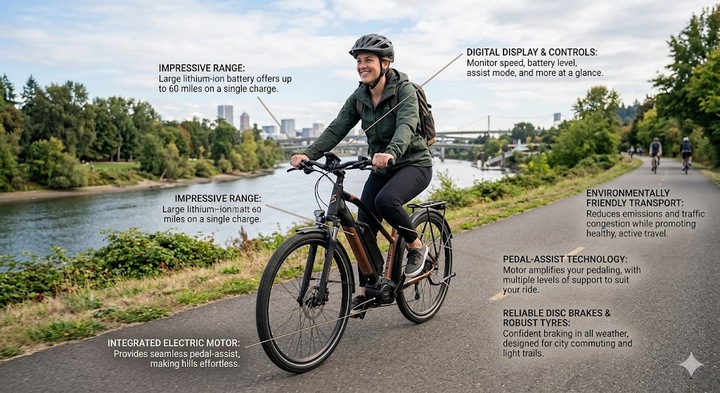
Electric bikes, also known as e-bikes, are bicycles equipped with an electric motor to assist with pedaling. They have gained immense popularity worldwide due to their eco-friendliness, affordability, and convenience. E-bikes offer a sustainable alternative to cars, helping reduce carbon emissions and traffic congestion in urban areas. They are suitable for various terrains, making them versatile for commuting, leisure, and fitness. With advancements in battery technology, e-bikes now provide longer ranges and faster charging times.
Their ease of use appeals to a broad demographic, including commuters, students, and outdoor enthusiasts. As cities seek greener transportation solutions, electric bikes are becoming a crucial part of the shift towards sustainable urban mobility. Their growing adoption signifies a move towards healthier lifestyles and environmentally conscious travel habits.
How Electric Bikes Work and Key Components
Electric bikes operate through a combination of pedal power and electric assistance. The core components include the motor, battery, controller, and sensors. The motor, usually located in the hub or crankset, provides power to assist pedaling. The battery stores electrical energy and determines the bike’s range; lithium-ion batteries are most common. The controller manages power delivery based on input from sensors that detect pedaling speed and force. Users can select different assistance levels via a handlebar-mounted display. Additional features include gear systems, brakes, and lighting. The motor kicks in when pedaling begins, providing support to make riding easier, especially uphill or against strong winds. Proper maintenance of these components ensures efficient performance and longevity, making electric bikes a reliable transportation option for daily use.
Advantages of Using Electric Bikes for Commuting
Electric bikes offer numerous benefits for daily commuting, making them a popular choice for urban travelers. They significantly reduce travel time by allowing riders to bypass traffic congestion and arrive faster at their destinations. Their electric assistance makes climbing hills and riding long distances easier, encouraging more people to choose biking over driving. E-bikes also promote physical activity while reducing the environmental impact, as they emit no pollutants. Cost savings are substantial since they require less maintenance and no fuel expenses.
Additionally, electric bikes can be stored easily, and many cities provide dedicated bike lanes, enhancing safety. They also help reduce noise pollution and traffic congestion, contributing to healthier city environments. Overall, e-bikes provide an efficient, cost-effective, and eco-friendly alternative to traditional transportation methods.
Environmental Impact and Sustainability of Electric Bikes
Electric bikes are a sustainable transportation option that significantly reduces environmental impact. Unlike cars, they produce no tailpipe emissions, helping decrease air pollution and greenhouse gases. Their energy consumption is minimal, especially when charged with renewable energy sources like solar or wind power. E-bikes require fewer resources for manufacturing compared to motor vehicles, resulting in a lower ecological footprint. They also help reduce traffic congestion, which further decreases emissions from idling vehicles. The use of electric bikes promotes sustainable urban development by encouraging eco-conscious commuting habits. As battery recycling technologies improve, the environmental footprint of e-bikes will decrease further. Overall, electric bikes are vital in combating climate change while providing efficient, green mobility solutions for cities worldwide.
Challenges and Limitations of Electric Bikes
Despite their many benefits, electric bikes face certain challenges and limitations. High initial costs can be a barrier for some consumers, although prices are gradually decreasing. Battery life and range limitations may restrict long-distance travel, especially in older or lower-end models. Charging infrastructure is still developing in many areas, which can inconvenience users. Additionally, e-bikes are heavier than traditional bikes due to batteries and motors, making manual handling more difficult. Regulatory issues, such as speed limits and classification laws, vary by region and can complicate usage. Theft is also a concern due to their higher value, requiring secure storage solutions. Lastly, environmental concerns about battery disposal and recycling highlight the need for sustainable manufacturing practices. Addressing these challenges will be crucial for the widespread adoption of electric bikes.
Future Trends and Innovations in Electric Bike Technology
The future of electric bikes is promising, with ongoing innovations enhancing performance and user experience. Advancements in battery technology, such as solid-state batteries, promise higher energy density, faster charging, and longer ranges. Smart features like GPS tracking, integrated apps, and customizable assistance levels are becoming standard. Wireless connectivity allows for real-time diagnostics and software updates. Lightweight materials and aerodynamic designs improve efficiency and handling. Developments in regenerative braking systems help recharge batteries during rides. Additionally, modular e-bike systems enable easier repairs and upgrades. The integration of solar panels for supplemental charging is also emerging. As urban infrastructure adapts, e-bikes will become more accessible and user-friendly. These innovations will further solidify electric bikes as a sustainable, efficient, and enjoyable mode of transportation for future generations.