Posted by Sehreen Tariq
Filed in Other 6 views
Workplace hazards exist in nearly every industry. A construction worker may be exposed to falling objects, a laboratory technician could encounter hazardous chemicals, and a warehouse employee might face risks related to moving equipment. While employers work to eliminate dangers through engineering controls and safe procedures, some risks remain present in daily operations.
This is where personal protective equipment, commonly known as PPE, becomes an essential part of workplace safety. Professionals who pursue an OSHA Certificate often learn that PPE serves as the last line of defense against injuries when other safety measures cannot completely remove a hazard. Understanding how protective equipment works, when it should be used, and why proper training matters can significantly reduce workplace accidents.
Personal Protective Equipment
Personal Protective Equipment refers to wearable items designed to protect workers from specific workplace hazards. These protective tools create a barrier between the worker and potential dangers, helping prevent injuries, illnesses, and long-term health complications.
PPE is not intended to replace safe work practices. Instead, it complements existing safety controls by providing additional protection when exposure to hazards cannot be fully eliminated.
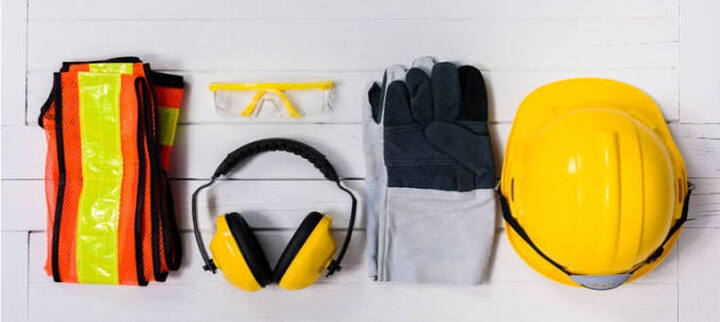
Common examples of PPE include:
Safety helmets
Protective gloves
Safety goggles
Face shields
High-visibility clothing
Respirators
Hearing protection devices
Safety footwear
Each type of equipment is designed to address a specific category of workplace risk.
Even in highly regulated environments, unexpected situations can occur. Equipment failures, human errors, changing weather conditions, or unforeseen hazards may create dangerous circumstances.
Imagine a construction worker performing tasks on a busy site. Safety barriers and warning signs may already be in place. However, if a tool accidentally falls from an elevated platform, a properly fitted hard hat can prevent a serious head injury.
Similarly, in manufacturing environments, workers handling sharp materials rely on protective gloves to reduce the likelihood of cuts and puncture wounds.
PPE plays an important role because it helps minimize the severity of incidents when hazards cannot be entirely removed.
Many workplace accidents happen within seconds. Flying debris, chemical splashes, falling objects, and exposure to hot surfaces can cause injuries without warning.
Appropriate protective equipment helps reduce exposure to these dangers and provides workers with greater confidence while performing their duties.
Not all workplace hazards cause immediate harm. Some risks develop gradually over time.
For example:
Continuous exposure to loud machinery can damage hearing.
Inhalation of dust particles may affect respiratory health.
Repeated chemical exposure can lead to chronic health conditions.
Protective equipment such as ear protection and respirators helps reduce long-term occupational health risks.
Understanding the purpose of various protective equipment helps organizations select appropriate solutions for different work environments.
Head injuries remain one of the most serious workplace concerns in industries such as construction, mining, and manufacturing.
Safety helmets are designed to:
Absorb impact forces
Protect against falling objects
Reduce risks associated with electrical hazards
Workers operating in areas where overhead activities occur should consistently wear approved head protection.
The eyes are particularly vulnerable to workplace hazards.
Potential risks include:
Flying particles
Chemical splashes
Dust exposure
Intense light radiation
Safety glasses, goggles, and face shields help prevent injuries that could result in temporary or permanent vision impairment.
Hands are frequently exposed to workplace dangers due to their direct involvement in most tasks.
Different glove materials provide protection against:
Cuts and abrasions
Chemicals
Heat
Electrical hazards
Biological contaminants
Selecting the correct glove type is essential because not all gloves offer the same level of protection.
Airborne hazards are often invisible, making them particularly dangerous.
Workers may encounter:
Dust
Fumes
Vapors
Gases
Biological particles
Respirators help filter harmful substances and support safer breathing conditions in hazardous environments.
Noise-induced hearing loss is among the most common occupational health concerns worldwide.
Earplugs and earmuffs help reduce exposure to excessive noise levels, particularly in:
Factories
Airports
Construction sites
Heavy industrial facilities
Foot injuries can result from falling materials, sharp objects, slippery surfaces, and electrical hazards.
Safety footwear often includes:
Steel or composite toe protection
Slip-resistant soles
Puncture-resistant materials
Electrical hazard protection
Proper footwear contributes significantly to overall workplace safety.
Simply providing protective equipment is not enough. Incorrect usage can reduce effectiveness and create a false sense of security.
Equipment that does not fit properly may fail to provide adequate protection.
For example, oversized gloves can reduce grip control, while loose safety goggles may allow particles to reach the eyes.
Employers should ensure PPE is available in suitable sizes for all workers.
One of the most common safety challenges is worker complacency.
Employees may skip protective equipment because:
Tasks appear routine
Risks seem minimal
Equipment feels uncomfortable
Unfortunately, many workplace injuries occur during familiar tasks where workers underestimate potential hazards.
Damaged PPE may not function as intended.
Cracked helmets, worn-out gloves, damaged respirators, and scratched eye protection should be inspected regularly and replaced when necessary.
Workplace safety is a shared responsibility, but employers play a critical role in ensuring proper PPE management.
Organizations should:
Identify workplace hazards
Conduct risk assessments
Provide appropriate PPE
Train employees on proper usage
Monitor compliance
Replace damaged equipment
Effective safety programs integrate PPE into a broader hazard management strategy rather than treating it as a standalone solution.
Safety culture influences how employees view protective equipment.
In organizations with strong safety cultures:
Supervisors lead by example.
Workers understand workplace risks.
Safety discussions occur regularly.
PPE use becomes a normal part of daily operations.
Consider two manufacturing facilities with similar equipment and processes. In one facility, employees view PPE as a burden. In the other, workers understand its importance and consistently follow safety procedures.
The second workplace is more likely to experience fewer injuries and stronger overall safety performance.
Workers can improve personal safety by adopting simple habits:
Inspect PPE before each use.
Report damaged equipment immediately.
Follow workplace safety procedures.
Use equipment designed for specific hazards.
Participate actively in safety training.
Never modify protective equipment without approval.
These small actions contribute significantly to reducing workplace risks.
Protective equipment is only effective when workers understand how and when to use it.
Training helps employees:
Recognize hazards
Select appropriate PPE
Understand equipment limitations
Perform inspections correctly
Follow regulatory requirements
Many safety incidents occur not because PPE is unavailable, but because workers lack sufficient knowledge about proper usage.
Individuals seeking structured workplace safety education often explore programs such as an OSHA Course in Pakistan to strengthen their understanding of hazard recognition, risk control measures, and PPE requirements. Quality training providers focus not only on regulatory compliance but also on practical workplace applications that help learners develop safer work habits.
A strong educational foundation enables workers, supervisors, and safety professionals to make informed decisions in real-world environments.
Personal protective equipment includes wearable items designed to protect workers from workplace hazards, such as helmets, gloves, goggles, respirators, hearing protection, and safety footwear.
No. PPE is generally considered the last line of defense after hazards have been reduced through engineering controls, administrative controls, and safe work procedures.
PPE should be inspected before each use and regularly according to workplace safety policies. Damaged equipment should be replaced immediately.
Training ensures workers understand how to select, wear, maintain, and use protective equipment correctly, improving overall workplace safety.
No. PPE reduces exposure to hazards but cannot completely eliminate risks. It should be used alongside other safety control measures.
In most workplaces, employers are responsible for assessing hazards and providing appropriate protective equipment for employees.
Personal protective equipment remains one of the most important components of workplace safety. From protecting workers against immediate injuries to reducing long-term health risks, PPE helps create safer environments across a wide range of industries.
However, equipment alone is not enough. Effective hazard assessments, ongoing training, proper maintenance, and a strong safety culture all contribute to successful protection strategies. When workers understand both the purpose and limitations of PPE, they are better prepared to perform their duties safely and responsibly.
A safer workplace begins with awareness, preparation, and the consistent application of proven safety practices.