Posted by Kitchen Traditions
Filed in Arts & Culture 9 views
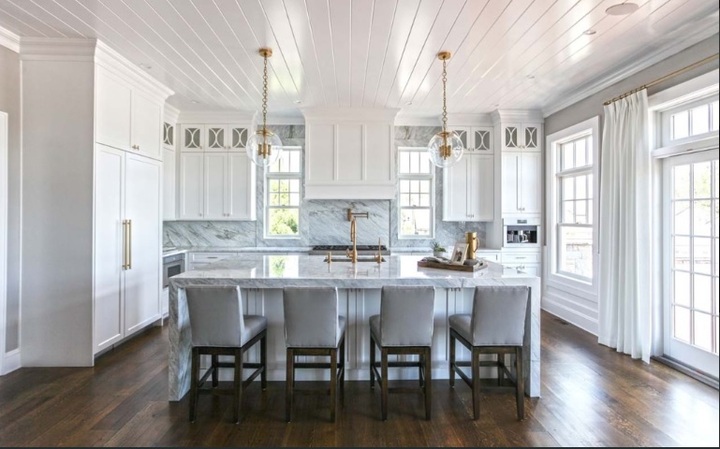
Owning a mid-century modern home comes with a deep responsibility to preserve its unique architectural heritage. These properties, built primarily between 1945 and 1975, are characterized by their clean horizontal lines, expansive panes of glass, and a strong, intentional connection to the natural landscape outside. However, the original cooking spaces in these homes were often small, closed-off, and strictly utilitarian, reflecting a time before cooking became a highly social, central household activity. When attempting to modernize these mid-century properties for contemporary living, homeowners face a delicate balancing act. You must increase the functionality and openness of the space without accidentally erasing the distinct, period-specific charm that makes the architecture so highly valuable and visually appealing.
The most critical mistake made during a mid-century update is installing ornate, heavily detailed joinery. Traditional shaker-style doors or cabinets featuring intricate crown moulding look entirely foreign and highly inappropriate against the clean, structural lines of a 1950s home. A respectful restoration demands flat-panel, slab-style doors. This completely smooth, unadorned profile aligns perfectly with the modernist philosophy of functional simplicity. Exposing the natural grain of the wood is also highly authentic to the period. Rich, warm woods like walnut, teak, or mahogany, sealed with a clear, matte finish, instantly evoke the mid-century aesthetic and bring a massive amount of organic warmth into the room, complementing the heavy use of glass and exposed brick found throughout the rest of the house.
Color application requires a very careful, studied approach. While an all-white room is a safe modern standard, it often leaves a mid-century home feeling clinical and devoid of personality. The original architects of this era heavily utilized bold, earthy tones to connect the interior with the surrounding nature. Integrating muted mustard yellows, deep burnt oranges, or rich teal blues into the backsplash or as an accent color on the lower base cabinets instantly revives the period feel. When these period-accurate colors are paired with clean, geometric tiles—such as stacked rectangles or subtle terrazzo patterns—the room feels authentically rooted in its history while remaining completely fresh and visually engaging for a modern family.
Updating the hardware and lighting is a highly effective way to bridge the gap between the past and the present. Avoid heavy, traditional wrought iron or overly intricate lighting fixtures. Instead, look for hardware featuring clean geometric shapes, such as simple wooden pulls or brushed brass cylinder knobs. For lighting, iconic mid-century shapes, like the classic sputnik chandelier or simple, matte-black spun metal pendants, provide the perfect visual anchor over a central island. These specific details act as subtle architectural cues, signalling a deep respect for the original design era while providing the necessary, bright illumination required for a safe, highly functional modern workspace.
Because mid-century homes often feature unique structural elements like exposed ceiling beams or post-and-beam framing, modifying the layout requires specialized expertise. You cannot simply tear down walls without understanding the specific load-bearing requirements of this era. Homeowners committed to a respectful update must seek out professionals experienced in kitchen remodeling newtown who have a proven track record with mid-century properties. A knowledgeable contractor will understand how to safely open the floor plan to improve the modern workflow without compromising the iconic exposed beams. They will know how to source the correct flat-panel veneers and period-accurate tiles, ensuring the new construction feels like a natural, logical evolution of the original architecture.
A successful mid-century update requires profound restraint. The objective is not to create a perfectly preserved museum replica, nor is it to force a completely modern aesthetic into an older shell. By insisting on flat-panel woodwork, incorporating authentic period colors, and respecting the clean, horizontal lines of the architecture, you create a beautiful harmony between the past and the present. You gain the highly desirable open workflow of a modern home while fiercely protecting the irreplaceable, retro character that makes your property truly special.
Conclusion
Respectfully updating a mid-century modern home requires honoring its clean lines and organic materials while improving the overall workflow. By utilizing flat-panel walnut cabinetry, period-accurate geometric tiles, and authentic mid-century lighting fixtures, you can achieve a highly functional, modern space that completely preserves the property's original retro charm.
Call to Action
Preserve the iconic character of your mid-century home while gaining the modern functionality you deserve. Contact our architectural design team today to discuss a respectful, historically accurate update.