Posted by Nento USA
Filed in Technology 8 views
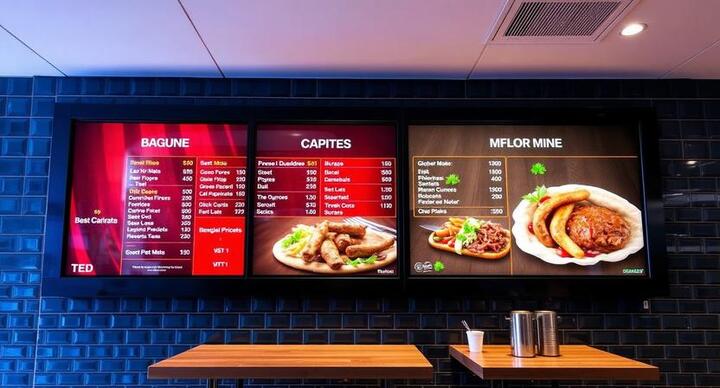
The restaurant industry has undergone a profound technological transformation, and digital menu systems stand at the forefront of this revolution. Restaurants embracing digital menu boards and comprehensive digital menu solutions are experiencing increased revenue, improved operational efficiency, and enhanced customer satisfaction.
A restaurant digital menu system encompasses more than just display screens. It represents a complete ecosystem integrating hardware, software, and content management that transforms how restaurants communicate with customers. These systems range from simple digital menu boards to sophisticated platforms connecting point-of-sale systems, kitchen display screens, and online ordering interfaces.
Digital menu boards specifically refer to the electronic displays replacing traditional static signage. These high-definition screens showcase menu items, pricing, and promotional content with dynamic visual appeal that captures customer attention instantly.
Customers today expect seamless, visually engaging experiences. Digital menu boards deliver crisp, professional imagery showcasing your culinary creations at their absolute best. High-quality food photography stimulates appetite and builds anticipation before the first bite.
The convenience factor cannot be overstated. Customers can easily scan options, compare prices, and make informed decisions without straining to read faded chalkboards or tiny printed text. This ease of ordering reduces frustration and speeds up the entire dining process.
Staff training becomes simpler with digital menus. New employees can learn the menu visually, reducing errors during busy shifts. Kitchen staff benefit from clear, consistent descriptions that minimize preparation mistakes.
Order accuracy improves significantly when customers clearly see what they're ordering. Visual confirmation reduces the "that's not what I expected" scenario that plagues many restaurants and leads to waste, refunds, and unhappy patrons.
Digital menu boards act as powerful silent salespeople. Strategic placement of high-margin items drives profitability. Dynamic upselling prompts encourage customers to add appetizers, beverages, or desserts to their orders.
Average check sizes typically increase 10-25% following restaurant digital menu board implementation. The psychological impact of beautiful food imagery combined with strategic pricing presentation encourages customers to spend more than originally planned.
Selecting appropriate hardware depends on your restaurant's specific environment. Indoor displays require different specifications than outdoor drive-thru screens. Brightness levels, screen resolution, and durability factors all influence hardware decisions.
Commercial-grade displays offer superior brightness and reliability compared to consumer televisions. They operate continuously without overheating and maintain image quality even in high-ambient-light conditions. Network connectivity options include Wi-Fi, Ethernet, and cellular backup for uninterrupted operation.
Cloud-based management platforms provide the flexibility modern restaurants need. You can update menus across all locations simultaneously from any internet-connected device. This capability eliminates the logistical nightmare of printing and distributing new physical menus.
Content scheduling features allow pre-planning menu rotations. Breakfast, lunch, and dinner menus can automatically display at appropriate times. Happy hour specials, weekend promotions, and holiday offerings schedule themselves without requiring manual intervention.
Eye-tracking studies reveal specific patterns in how customers view digital menus. The upper right section receives the most attention, followed by the top center area. Position your most profitable items in these prime viewing locations.
Organize content into logical categories that mirror customer thinking patterns. Appetizers should appear near the top, followed by main courses, and finally desserts and beverages. This natural flow reduces decision fatigue and speeds ordering.
Color choices significantly impact customer perceptions and ordering behavior. Warm tones like red and orange stimulate appetite and create a sense of urgency. Blue and green convey freshness and healthy options, ideal for salad sections or seafood items.
Maintain consistent branding across all digital touchpoints. Your menu boards should complement your restaurant's overall aesthetic rather than appearing as disconnected technology. This cohesion builds brand recognition and reinforces your identity.
Legibility trumps creativity when it comes to menu typography. Sans-serif fonts like Helvetica, Open Sans, and Lato provide excellent readability on digital displays. Font sizes must accommodate customers with varying vision capabilities, including older patrons and those viewing from distance.
Maintain adequate contrast between text and background images or colors. White text on dark backgrounds works well for certain environments, while dark text on light backgrounds offers superior readability for detailed information like ingredient lists.
Professional food photography represents an investment with substantial returns. Images should capture the essence of each dish with proper lighting, styling, and composition. Steaming, melting cheese, glistening sauces, and vibrant vegetables trigger immediate hunger responses.
Regular photography updates keep your digital menu fresh. Seasonal dishes, new additions, and limited-time offerings deserve their own photography sessions. Stale images suggest stale food, damaging customer perception before they even order.
Menu descriptions should paint vivid pictures that transport customers to the dining experience. Instead of "grilled chicken breast," describe "herb-marinated chicken breast, grilled to perfection, served over roasted vegetables with a garlic-herb demi-glace."
Include origin stories for signature ingredients. Local produce suppliers, sustainable seafood sources, and family recipes all create emotional connections with customers. These narratives justify premium pricing and differentiate your restaurant from competitors.
Different times of day require different menu presentations. Morning breakfast crowds want quick, familiar options prominently displayed. Lunch customers appreciate combo specials and quick-service suggestions. Dinner patrons seek more elaborate offerings and beverage pairings.
Day-of-week variations also matter. Weekend brunch menus, weekday lunch specials, and date-night promotions can all be scheduled automatically. This dynamic approach keeps your menu feeling current and responsive.
Speed remains paramount in fast casual environments. Digital menu boards must facilitate rapid ordering decisions with clear pricing, concise descriptions, and intuitive navigation. Limited categories and prominent value options reduce decision time.
Customization options deserve clear presentation. Step-by-step ordering processes help customers build exactly what they want while maintaining speed. Visual confirmation of customizations reduces errors and improves satisfaction.
Upscale restaurants require sophisticated digital presentation that matches their ambiance. E-ink displays or high-end tablets offer elegant alternatives to bright LCD screens. These technologies blend modern functionality with refined aesthetics.
Tasting menus, wine pairings, and chef's selections benefit from detailed digital presentation. Multimedia content like chef introductions or ingredient sourcing videos adds experiential value that diners appreciate and remember.
Beverage-focused establishments thrive with digital menu boards showcasing beautiful drink photography. Layered espresso drinks, decorative latte art, and refreshing iced beverages look exceptionally appealing on high-definition screens.
Seasonal beverage rotations become effortless with digital systems. Pumpkin spice in autumn, peppermint in winter, and cold brews in summer transition smoothly without printing waste or last-minute changes.
Seamless POS integration eliminates duplicate data entry and reduces errors. Menu updates made in your POS system automatically populate to digital displays. This synchronization ensures consistency across all customer touchpoints.
Sales data from your POS can inform digital menu design. Identify your highest and lowest performing items. Position popular items prominently and consider promoting underperforming dishes with better placement or descriptions.
Advanced digital menu systems connect with inventory management software. When an ingredient runs low, the corresponding menu item can be automatically marked as unavailable. This real-time accuracy prevents disappointed customers and awkward substitutions.
Dynamic pricing capabilities allow automatic adjustments based on ingredient costs or availability. While this requires careful implementation, restaurants can protect margins without manual price updates across multiple displays.
Maintaining menu consistency across all channels builds trust and reduces confusion. Your digital menu boards should match your online ordering platforms, delivery apps, and in-store signage. Discrepancies confuse customers and create ordering friction.
Unified content management makes multi-channel consistency achievable. Update your menu once in your central management system, and all displays update simultaneously. This efficiency saves time and eliminates the errors associated with manual updates.
Track specific performance indicators to evaluate digital menu effectiveness. Average transaction values typically increase with proper digital menu design. Monitor the success of featured items and adjust placement based on performance.
Upsell conversion rates provide insight into promotional effectiveness. If customers consistently add suggested items, your upselling strategy works. Poor performance indicates the need for better positioning or more compelling presentation.
Reduced order errors correlate strongly with digital menu implementation. Customers who clearly see what they order are less likely to request changes or returns. This improvement reduces waste and preserves profit margins.
Order speed measurements should improve with digital menus. When customers can quickly find information and make decisions, overall throughput increases. Faster service means more customers served during peak periods.
Digital menu boards represent significant upfront investment. Hardware, software, installation, and content creation costs can be substantial. Develop a detailed budget that includes ongoing maintenance and content updates beyond initial implementation.
Consider phased deployment for multi-location operations. Start with your busiest location as a pilot program. Use learnings from this implementation to optimize subsequent deployments. This approach spreads costs while minimizing risk.
Employees must understand how to operate and update digital menus. Comprehensive training ensures your team can handle scheduled updates, emergency changes, and technical troubleshooting. Designate specific staff members as primary operators.
Develop detailed documentation and quick-reference guides. When issues arise, staff members should have clear procedures to follow. This preparation prevents frustration and maintains professional operations.
Regular content updates require dedicated time and attention. Schedule consistent review periods for menu accuracy, photography currency, and promotional relevance. Neglected content becomes outdated and diminishes brand perception.
Assign content creation responsibilities to specific team members. If your chef creates the food, maybe your marketing manager handles photography and descriptions. Clear ownership prevents content gaps and ensures consistent quality.
AI-powered menus are emerging that suggest items based on customer preferences, past orders, or even current weather conditions. These intelligent systems create personalized experiences that build loyalty and increase sales.
Predictive analytics help restaurants anticipate what customers want before they order. This capability allows proactive upselling and inventory management that improves profitability.
QR code technology bridges physical and digital experiences. Customers can scan codes on displays to view complete menus on personal devices. This accessibility accommodates various preferences and provides accessibility options.
Mobile ordering integration allows customers to browse digital menus and place orders from their phones. This convenience increases order frequency and reduces wait times for both diners and staff.
Digital menus contribute significantly to environmental sustainability. Eliminating printed menu waste saves trees and reduces landfill contributions. Energy-efficient displays minimize electricity consumption compared to older technologies.
The carbon footprint of digital content distribution decreases continuously as technology improves. Software updates optimize energy usage and extend hardware lifespan, reducing electronic waste.
Digital menu systems have evolved from technology novelties to operational necessities. Restaurants failing to adopt these solutions risk falling behind competitors who provide superior visual experiences and operational efficiency.
The investment delivers returns through increased sales, improved customer satisfaction, and streamlined operations. Careful planning, quality content, and thoughtful design maximize these benefits while avoiding common pitfalls.
Your restaurant's digital menu represents your most visible marketing tool. Making it exceptional creates lasting impressions that drive repeat business and build brand loyalty. As technology continues advancing, those who embrace digital menu solutions position themselves for sustained success in an increasingly competitive industry.